

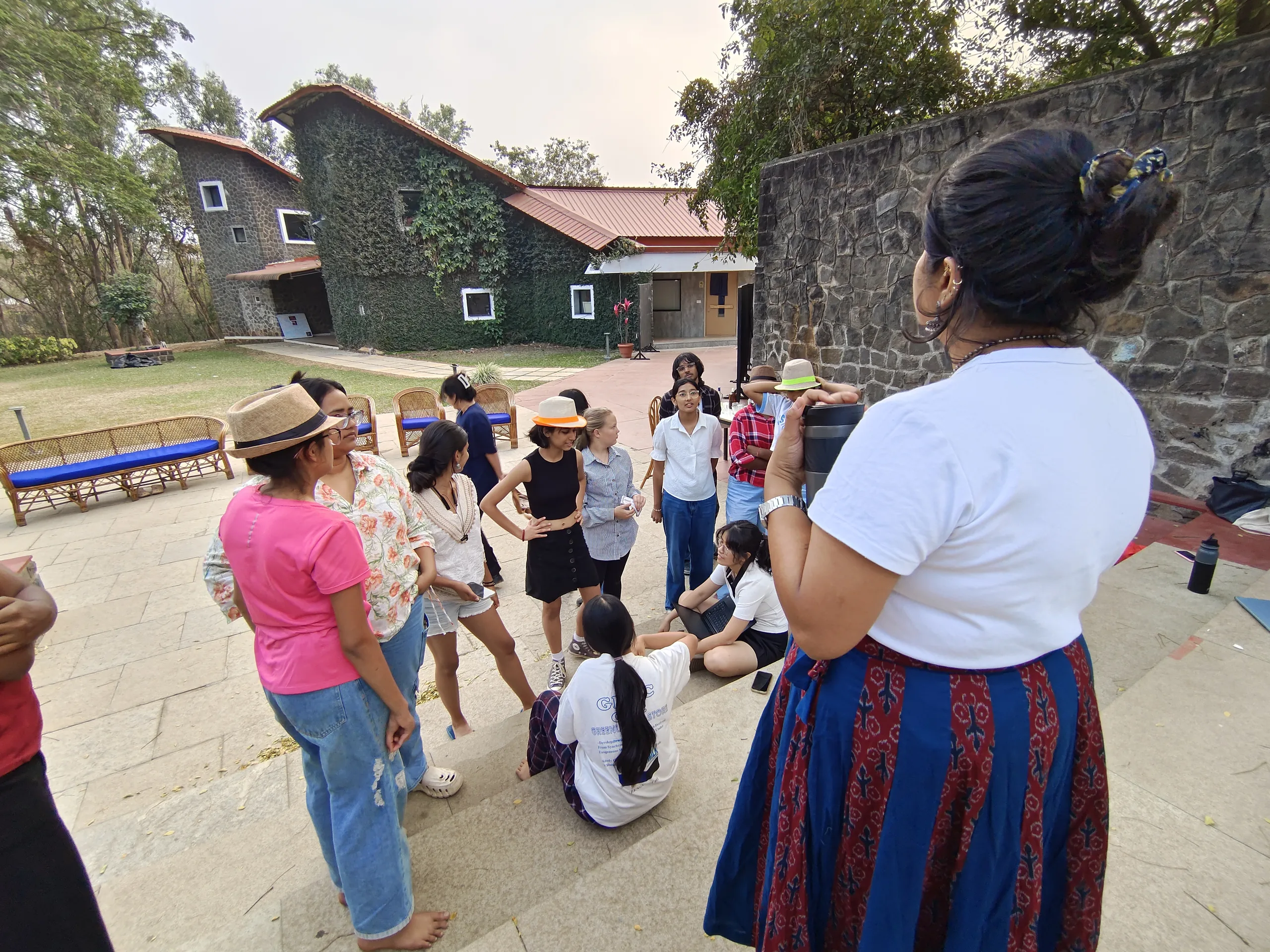
IBDP Curriculum: Subjects, Core Components and Structure
The International Baccalaureate Diploma Programme (IBDP) is a two-year educational programme for students aged 16 to 19. It combines six academic subjects with independent research, critical thinking, and community involvement. Students don't just learn from textbooks and prepare for examinations. They also explore different perspectives, work on projects, and take responsibility for their learning.
How is the IBDP curriculum built?
The IBDP curriculum centers on six subjects and three core components. Students study six subjects, usually choosing one from each group, to balance different areas of knowledge. These groups include:
Studies in language and literature: Develops reading, writing, and communication skills.
Language acquisition: Gives students an opportunity to learn another language and understand different cultures.
Individuals and societies: Covers subjects like Economics, History, Psychology, and Global Politics.
Sciences: Includes Biology, Chemistry, Physics, and Computer Science.
Mathematics: Offers two different pathways: Analysis and Approaches and Applications and Interpretation.
The Arts: Lets students explore skills in music, theatre, film, and visual arts.
Students usually take three subjects at Higher Level(HL) and three subjects at Standard Level(SL). This way, they can pursue their interests aligned with their academic foundation.
What Are the Three Core Components of the IBDP?
Along with their six subjects, students complete three core components. These are part of the Diploma Programme and give students a chance to explore questions, projects, and activities beyond regular lessons.
1. Theory of Knowledge (TOK)
TOK looks at how people gain and use knowledge. Students discuss questions such as how we know something is true, whether evidence is always reliable, and how our experiences influence what we believe. These discussions encourage them to look at a topic from different points of view.
2. Extended Essay (EE)
For the Extended Essay, students choose a subject and develop a research question around a topic that interests them. They investigate the question, organise their findings and write an academic paper of up to 4,000 words. It is an independent project that requires research, planning and regular work.
3. Creativity, Activity, Service (CAS)
CAS extends students well beyond the academic curriculum. It has three parts:
Creativity: Music, theatre, painting, photography and other forms of creativity.
Activity: Sports, exercise, fitness and outdoor activity.
Service: Volunteering and projects that respond to community needs.
Students also undertake a CAS project which is typically a collaborative task over an extended duration. It could be a community project, a workshop, or an environmental project, etc. What happens when the IBDP student enters university and beyond?
When you are ready to transition from school to university, there are new responsibilities. Students make their own schedule, submit work on time, read a lot, and do assignments without constant supervision.
Many of these responsibilities are practiced in the IBDP. Extended Essay involves preparing and researching independently. TOK encourages them to analyze ideas and question information. It provides them with new experiences and new people and takes them out of the classroom setting.
Many universities accept the IBDP programme. There are, however, specific subject or score conditions for some courses, and each university has different conditions for entry. Students who wish to pursue a particular course are advised to check these requirements before making subject choices for IBDP.
The IBDP curriculum is a two-year educational programme for students aged 16 to 19. It includes six academic subject groups and three core components: Theory of Knowledge (TOK), Extended Essay (EE) and Creativity, Activity, Service (CAS).
The six subject groups are Studies in Language and Literature, Language Acquisition, Individuals and Societies, Sciences, Mathematics and the Arts. Students generally choose one subject from each group.