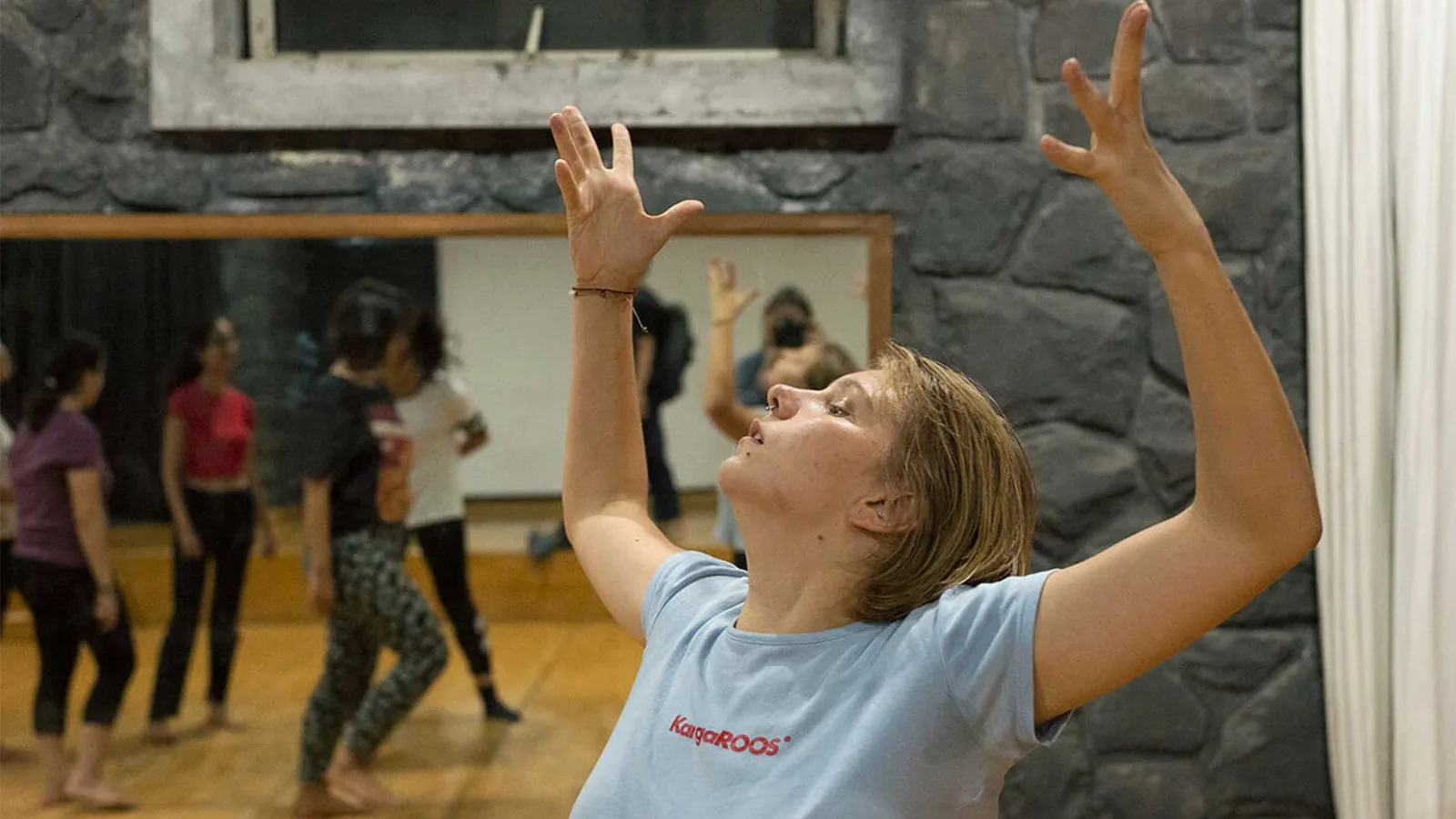

At UWC Mahindra, India is not a backdrop. It is part of the curriculum.
Students travel across the country, work alongside local communities, and engage with questions of history, culture, development, and social justice that the classroom can only go so far in answering. The travel here is not tourism. It is learning with consequences.
Learning in relation to place
The philosophy at UWC Mahindra holds that real education is relational and active. You learn differently when you are physically present in the places and communities that bring the ideas to life. Students engage with India both on and off campus: through language, through neighbouring communities, and through structured trips that take them from the Western Ghats to Rajasthan, Karnataka, Bihar, and beyond.
Every experiential week follows the IPARD framework: Investigation, Planning, Action, Reflection, Demonstration. Students are not passive participants. They research their destinations, draft proposals, manage logistics and budgets, assess risks, and present their findings when they return.
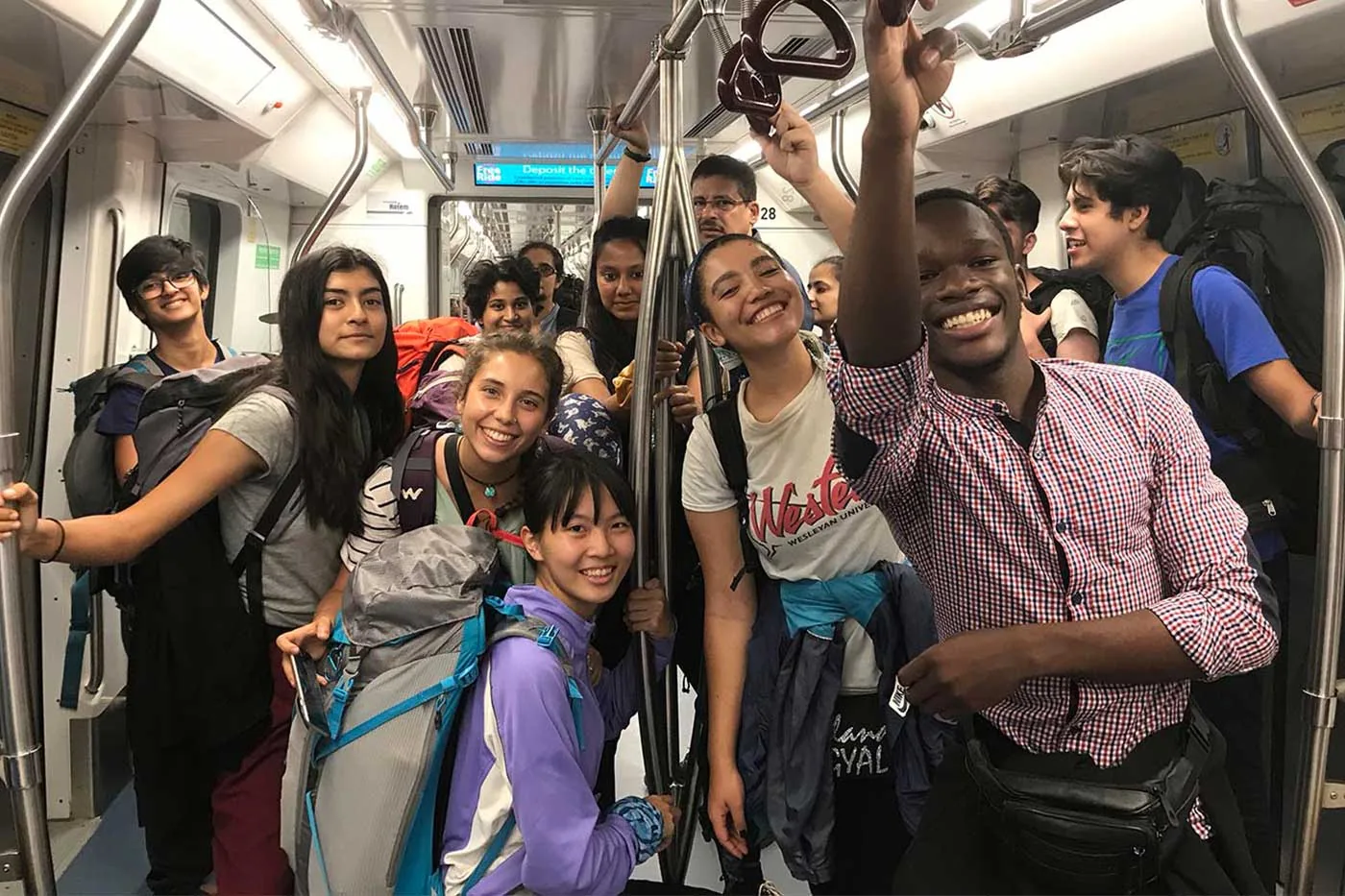
Experience India Week
Every first-year student takes part in Experience India Week shortly after arriving on campus. The aim is direct: get off the hill and into India before settling into academic routine. Trips are structured around themes including history, culture, politics, development, and the natural world. Students return to campus with the kind of stories that take weeks to settle.
The week connects to a broader introductory course covering India's history, geography, politics, religions, democracy, diversity, caste, and development. Students study through films, art, texts, and discussion, approaching a culture that may be entirely foreign to them with open-minded inquiry rather than assumption.
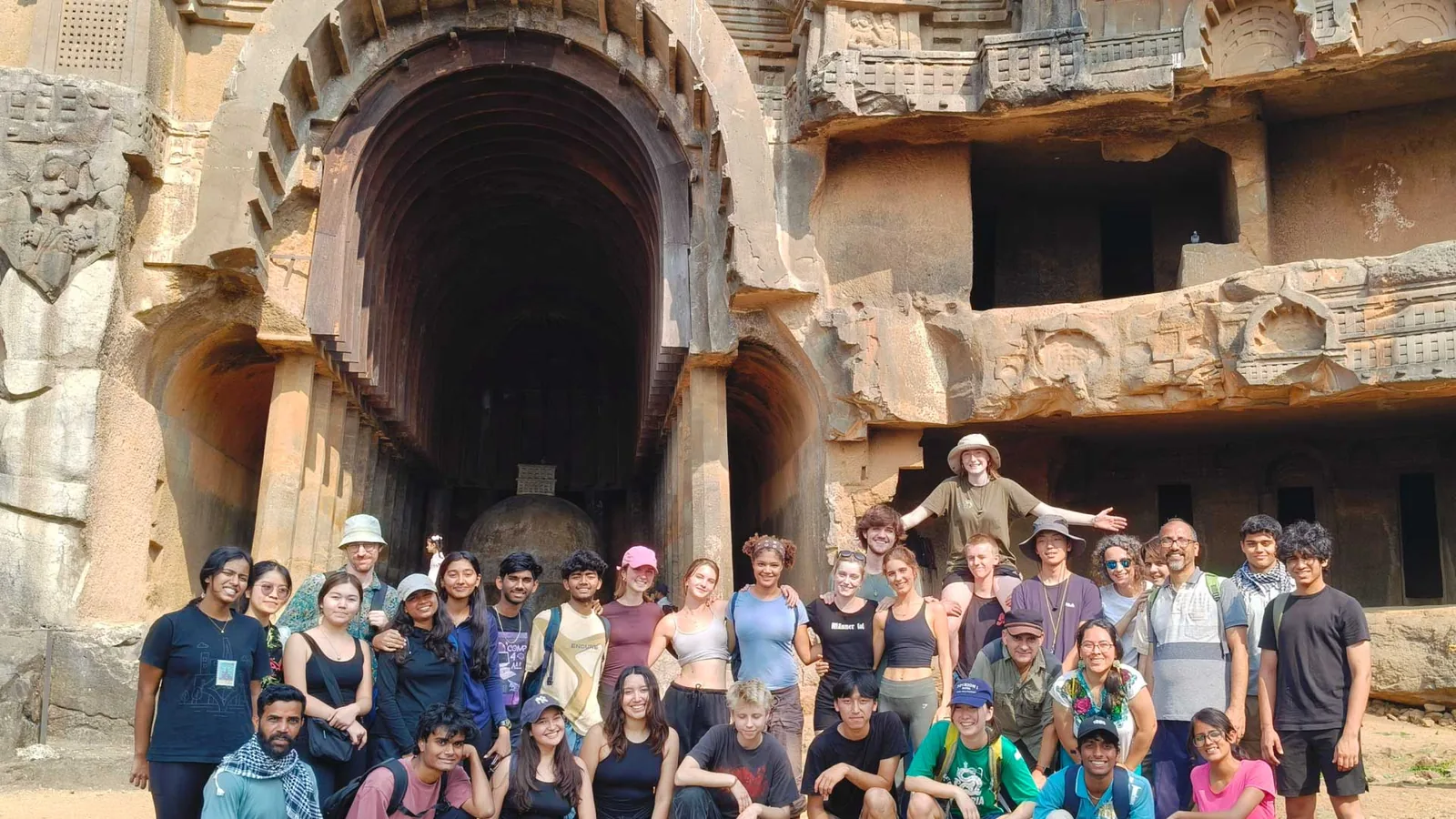
Regional Weeks and cultural exchange on campus
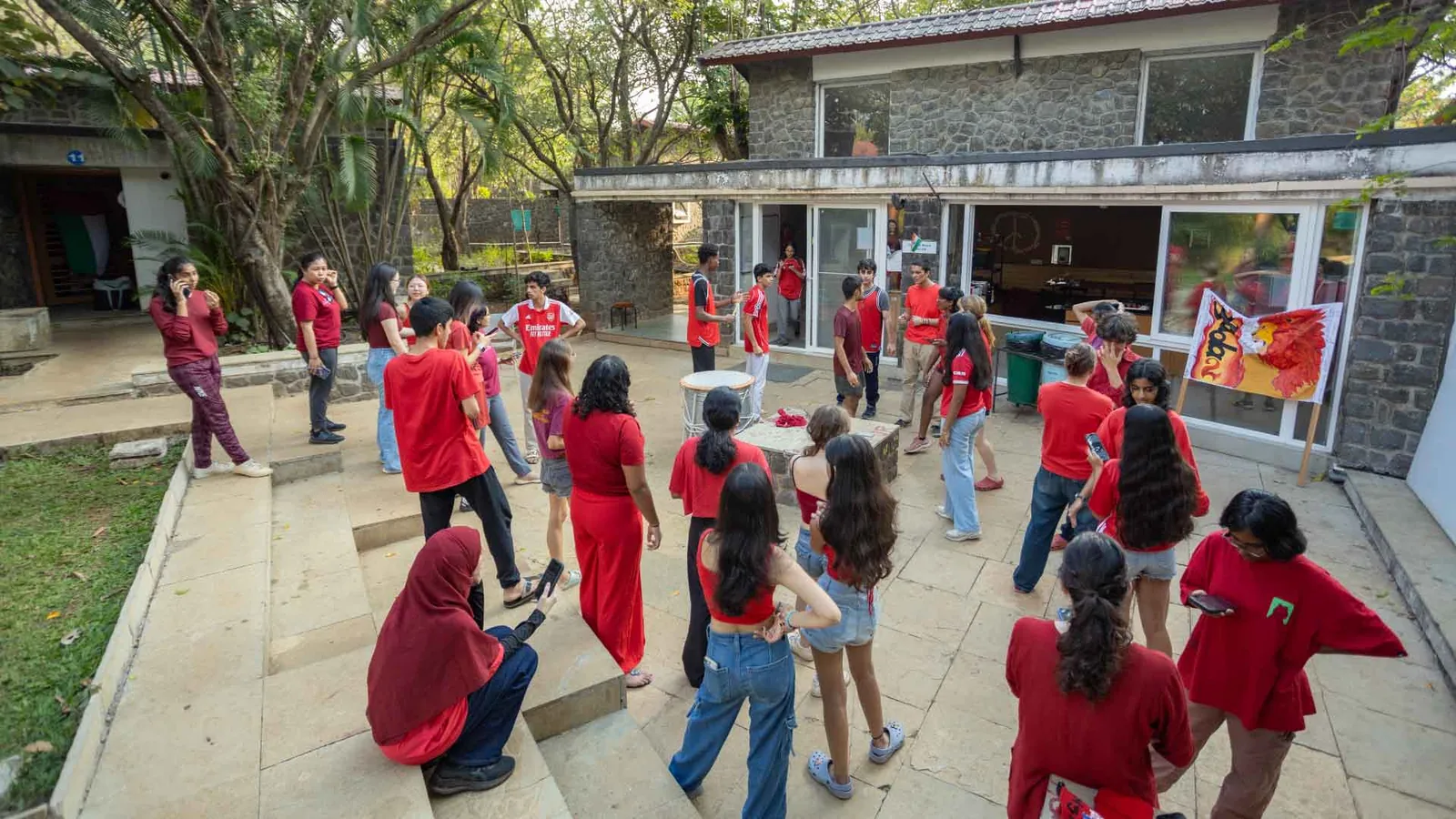
Travel and cultural experience at UWC Mahindra are not limited to trips off campus. Regional Weeks bring the cultural diversity of the student body into the foreground. Students from a given region or country curate events, food, music, and conversation for the wider community.
Project Week
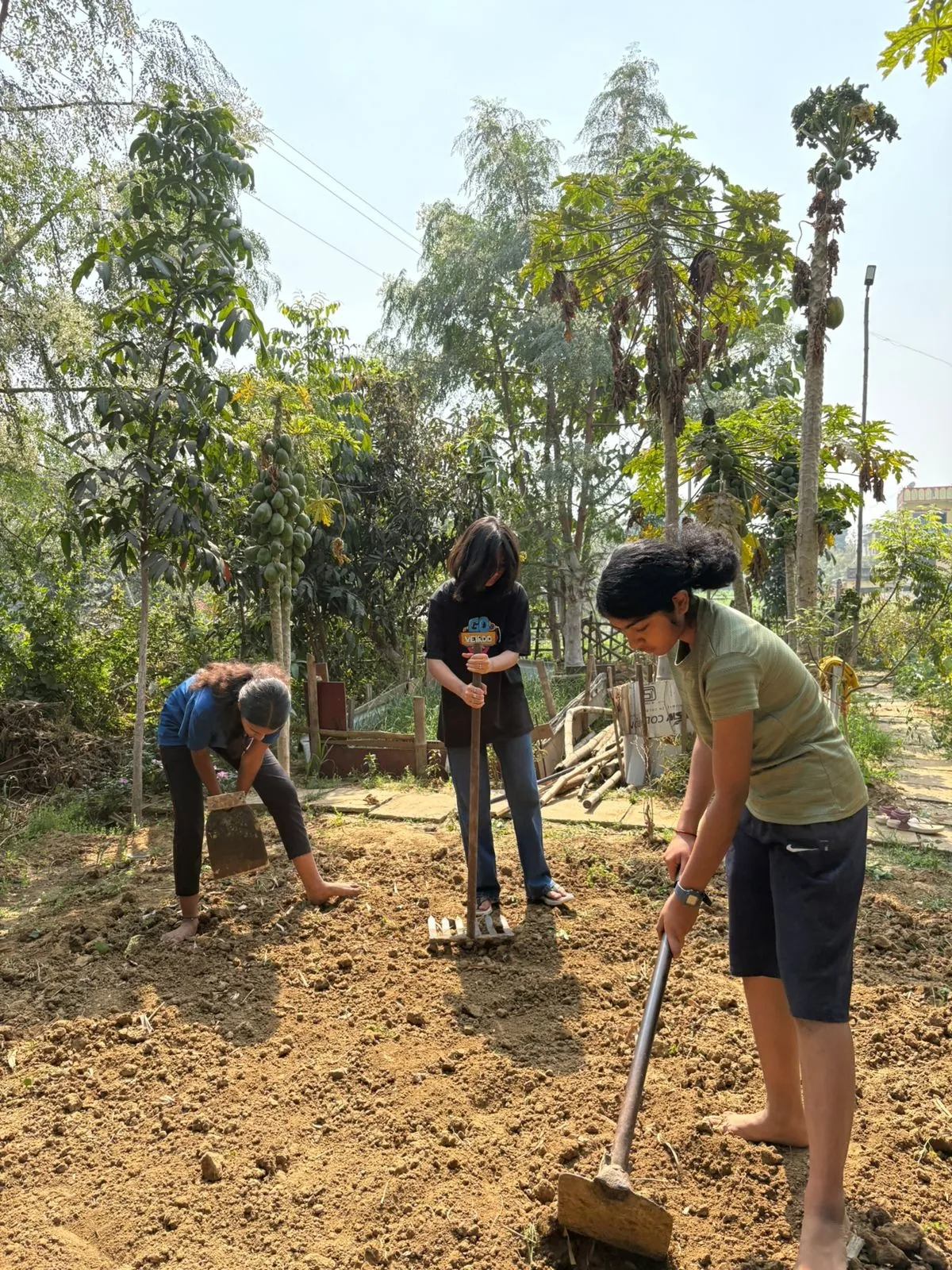
Project Week is a dedicated period of student-led, project-based learning that takes first-year students out of the classroom and into communities across India. Each project is designed and executed by students: they identify the cause, find the partner organisation, write the proposal, manage the budget, and define the deliverables. Faculty mentor rather than direct.
Projects are rooted in the UN Sustainable Development Goals and IB CAS learning outcomes. Past project partners have worked across children's rights, biodiversity, human rights, sustainable living, and cultural preservation.
When a week becomes something more
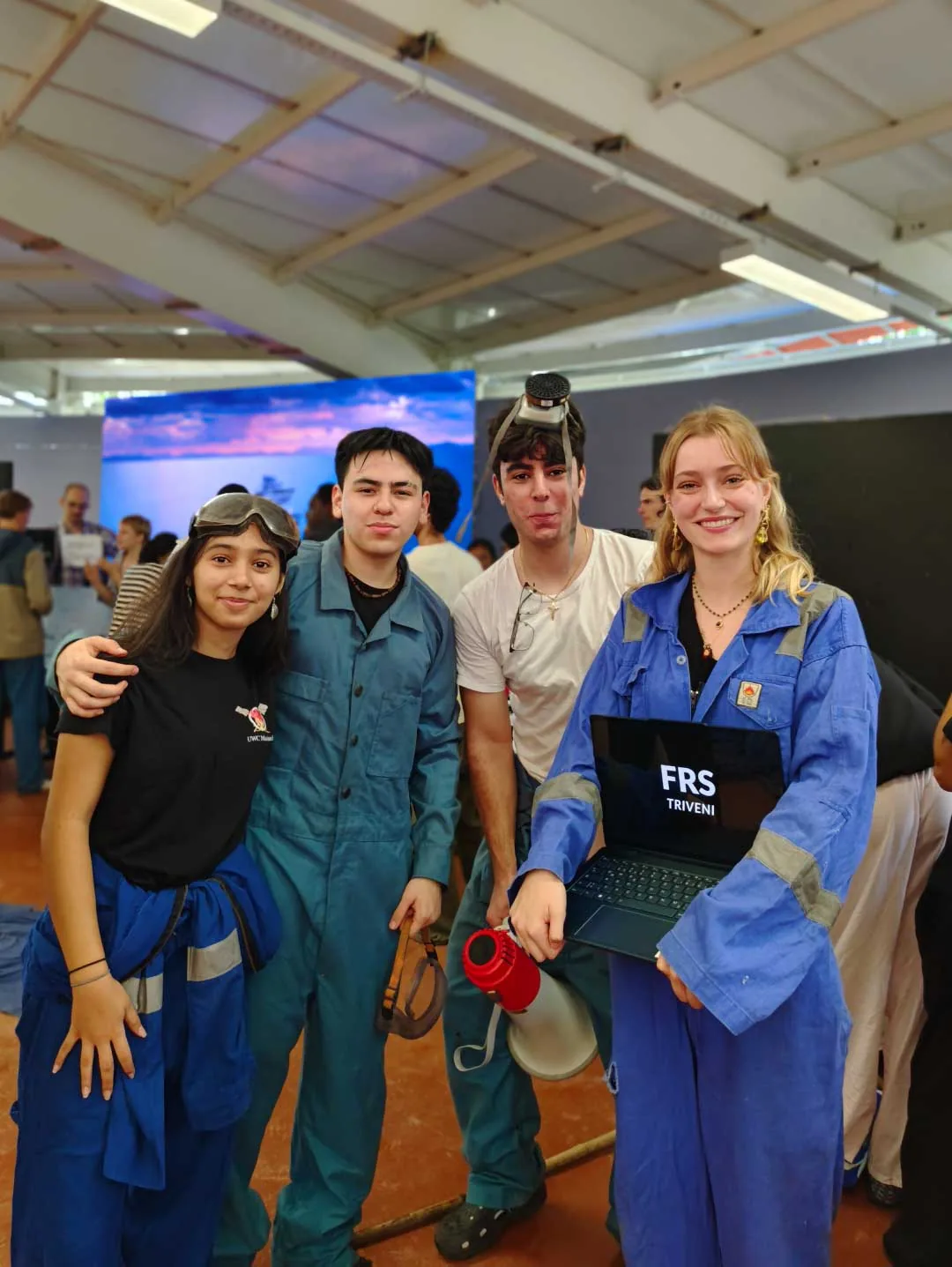
Project Week does not always end when students return to campus. One of the clearest examples: a group of students working with the National Association for the Blind in Lucknow spent a week in immersive service. When they came back, they kept going. They taught themselves Braille, developed educational content over months, and eventually created a 50-story Braille book for a blind school. The initiative became Pragya Chakshu, a student-led Triveni that outlasted the original trip by over a year.
That arc, from a single week of exposure to a sustained commitment, is what Project Week is designed to make possible.
Examples of past projects
| Where | The Project |
|---|---|
| Mundgod, Karnataka | Tibetan Buddhism Project: monastic life, themes of exile and philosophy |
| Kalinga, Karnataka | Experiential fieldwork: workshops and collaborative projects with local partner organisations |
| Goa | The Learning Centre: alternative education models and community-based learning |
| Lonavala | Creative Learning for Children: community-based learning as a tool for social change |
| Jodhpur | Sambhali Trust: women's empowerment and social equity |
| Bihar | Centre of Resilience: rural development and environmental sustainability |
| Mumbai | Project Mann, Dharavi Diary, NADE: mental health advocacy, storytelling, inclusive entrepreneurship |
| Nashik | Kriya Shivaji (AMK Forts): trekking, heritage stewardship, mentoring girls from local government schools |