Sustainability at UWC Mahindra is not a policy position!
It is part of how the campus runs and how students learn. The college sits within the UNESCO-designated Sahyadri Hills World Heritage Site, and that responsibility shapes everything from campus infrastructure to the projects students take on.
Van Vihar Biodiversity Reserve
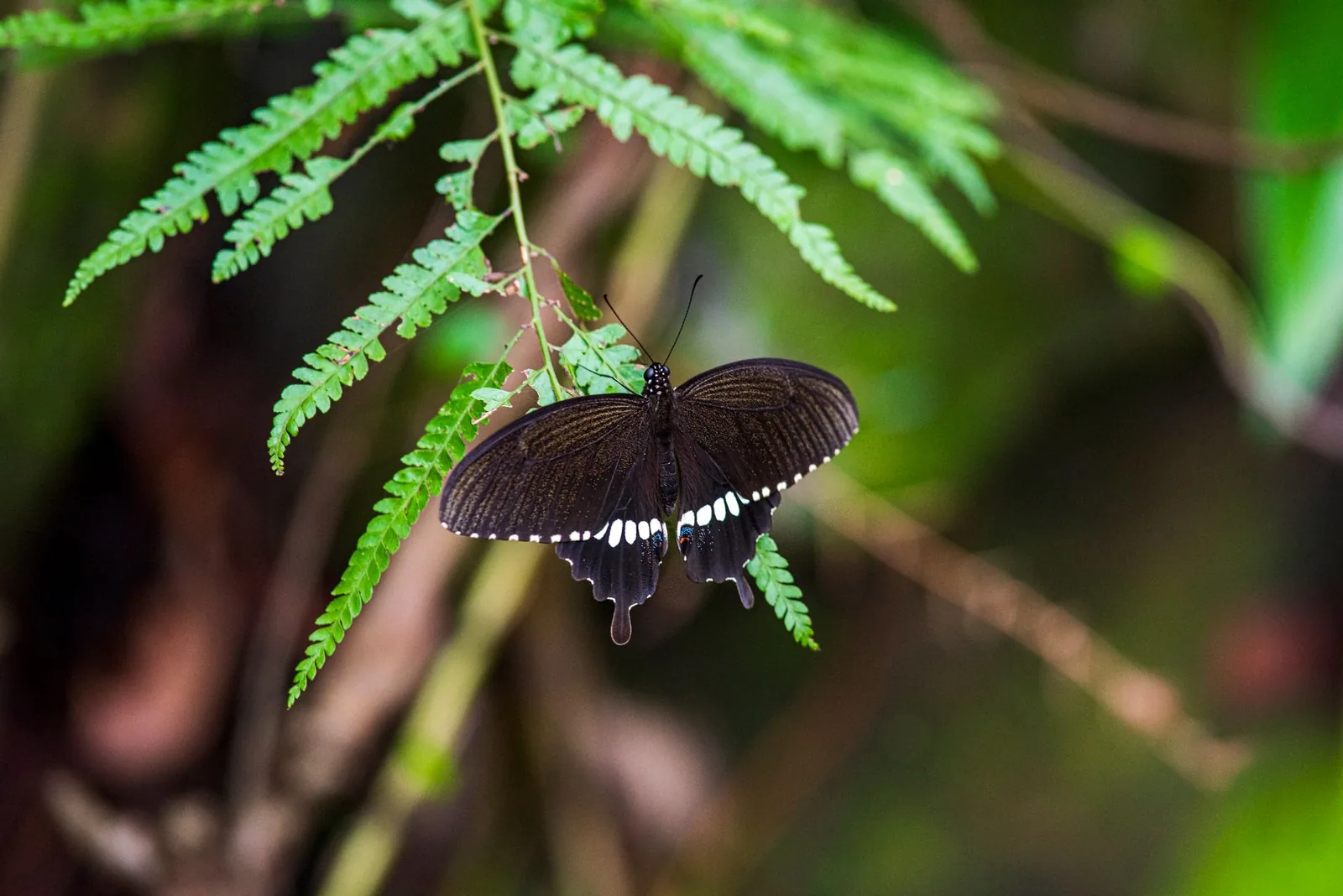
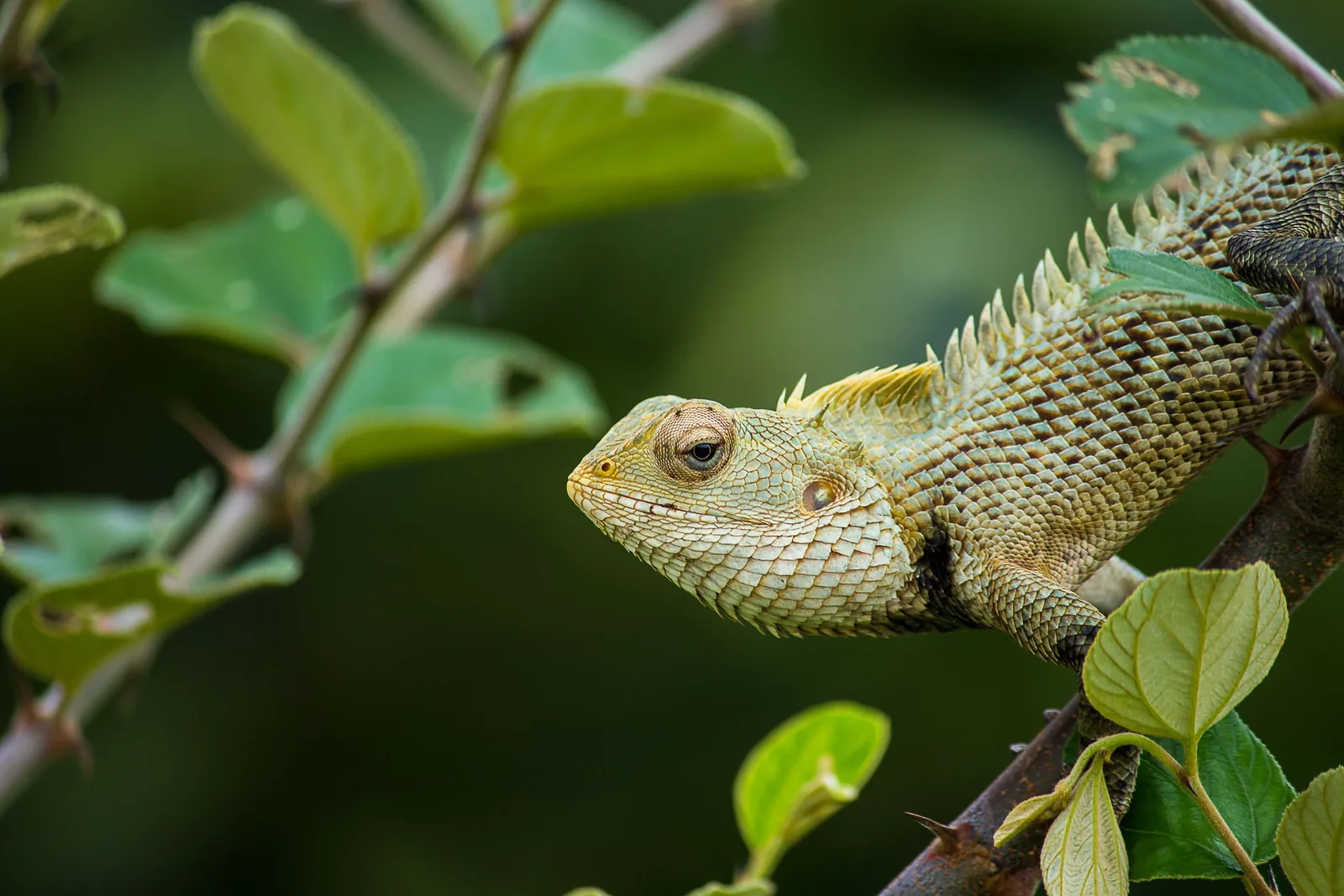
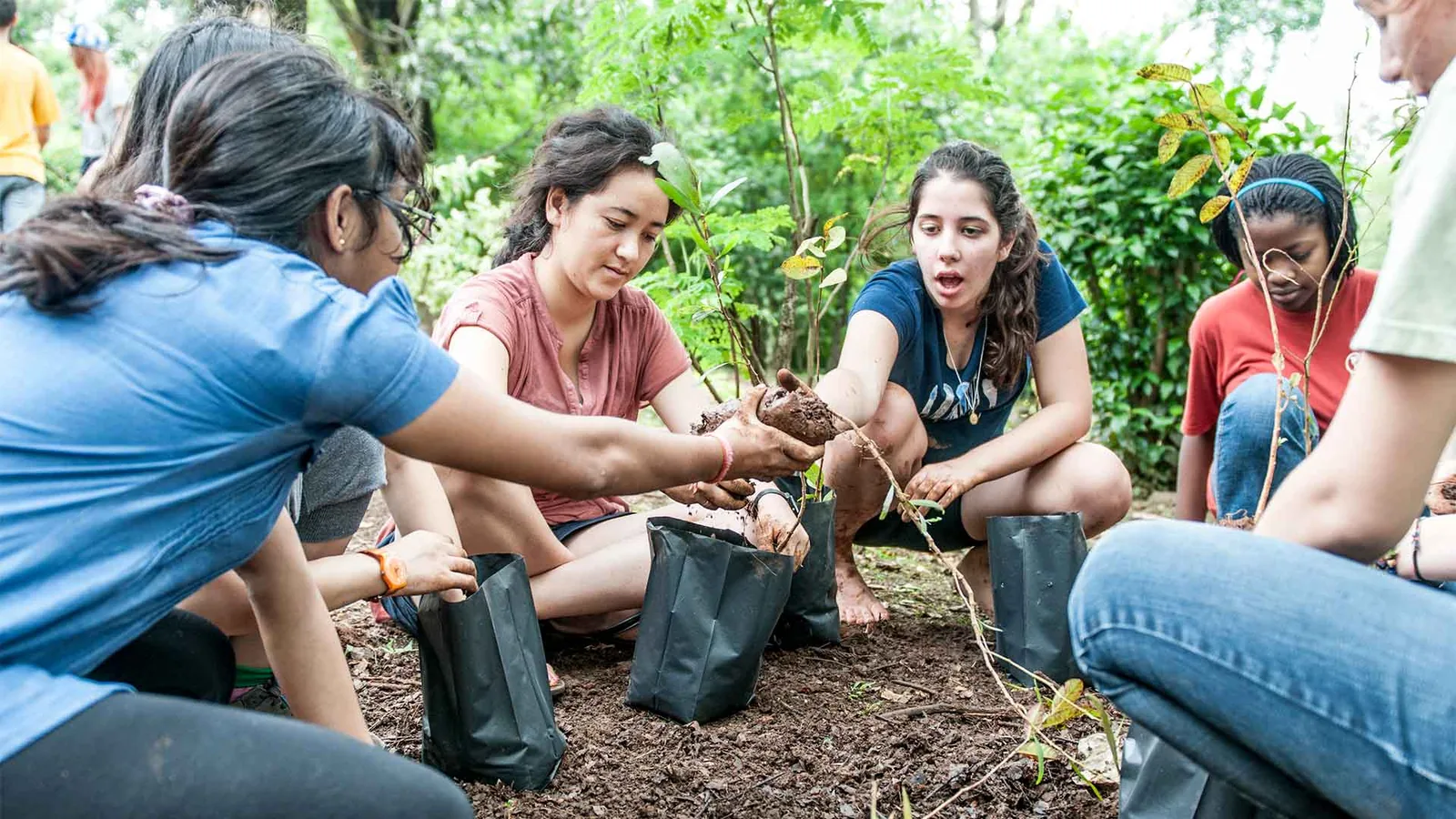
Van Vihar, launched in 2006, covers approximately 24% of the campus. It protects reforested land, medicinal plant gardens, and water bodies, and is home to more than 400 plant species, 90 bird species, 17mammal species, and documented inventories of amphibians, reptiles, butterflies (Lepidopterans), arachnids, and other invertebrates. The reserve was built from almost-bare land: in 2000, the campus had a single mango tree. More than 10,000 trees have been planted since.
Key conservation initiatives include: - Protection and expansion of the biodiversity reserve. - Native tree plantation and habitat restoration. - Soil and water conservation. - Maintaining butterfly gardens, medicinal plant gardens and nature trails. - Sustainable resource management through solar energy, wastewater reuse, waste segregation, composting/biogas, and reduction of paper and plastic consumption.
Organic farm
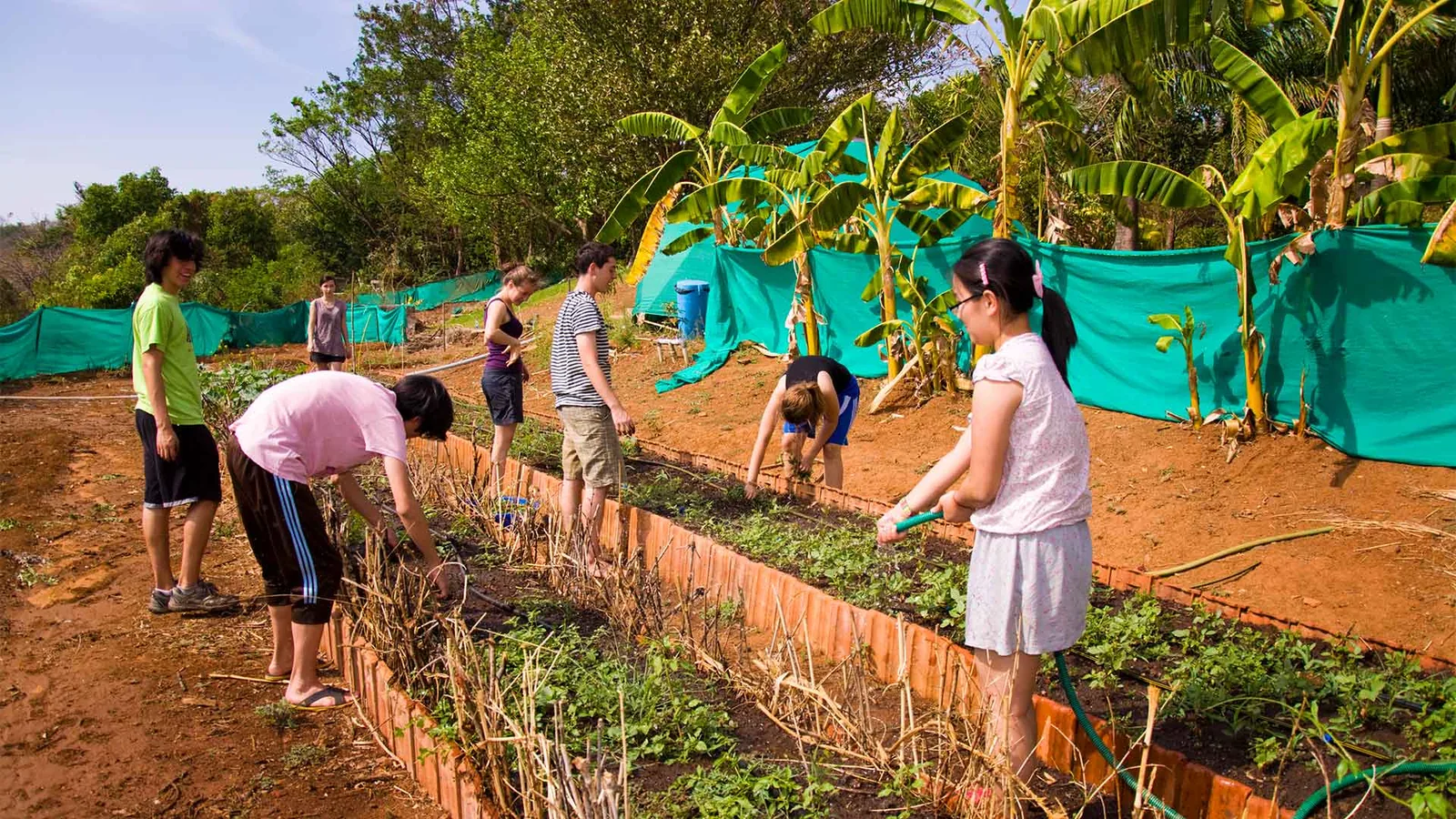
The campus organic farm gives students hands-on experience in sustainable food production. Students participate in growing, harvesting, and managing food as part of their co-curricular and CAS work.
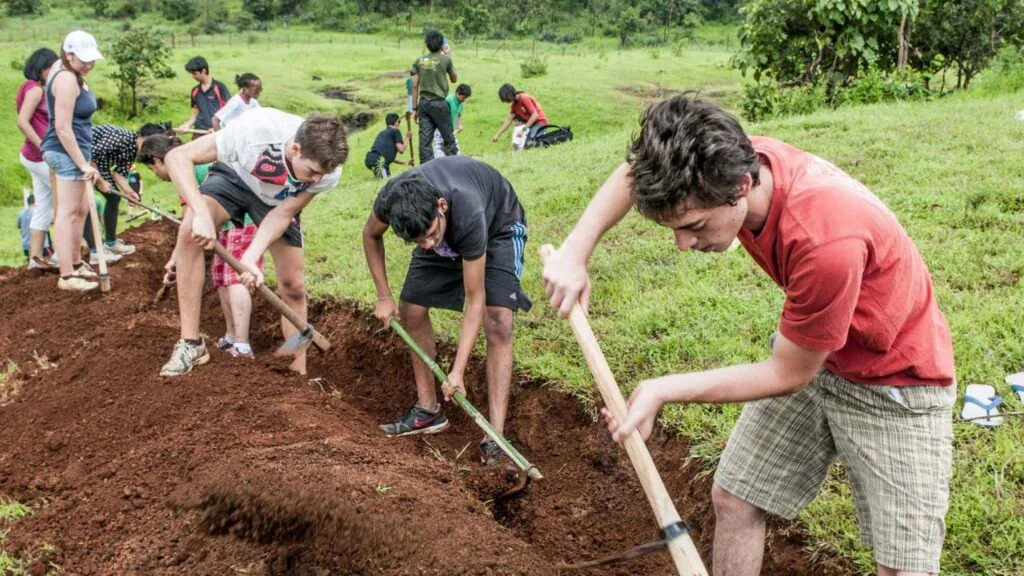
Student-led sustainability work
Students at MUWCI take on active roles in campus sustainability through the college's CAS (Creativity, Activity, Service) programme and co-curricular projects. The student-run Fire and Rescue Service is one example of this.
Donate from India
If you are an Indian taxpayer, you can donate securely with Razorpay via UPI, Cards
Give NowDonate from Abroad
If you are from UK, USA, or any other country, you can donate securely through our UWC portals.
Give Now