

UWC Mahindra takes a preventive approach to mental health.
The goal is not only to respond to difficulties when they arise, but to build the awareness and habits that help students manage a demanding two years before challenges become crises.

On-campus psychological support
There is a full-time wellbeing psychologist on campus, available to every student for confidential one-on-one consultations. The psychologist also organises sessions for groups throughout the year, covering stress management, health and wellness techniques, and other areas relevant to student life.
For students who need additional support beyond what the on-campus psychologist can provide, two external psychologists are available. One external psychologist visits the campus twice a week for student sessions.
Medical Facilities
UWC Mahindra places student health and wellbeing at the centre of campus life.
Social Emotional Learning
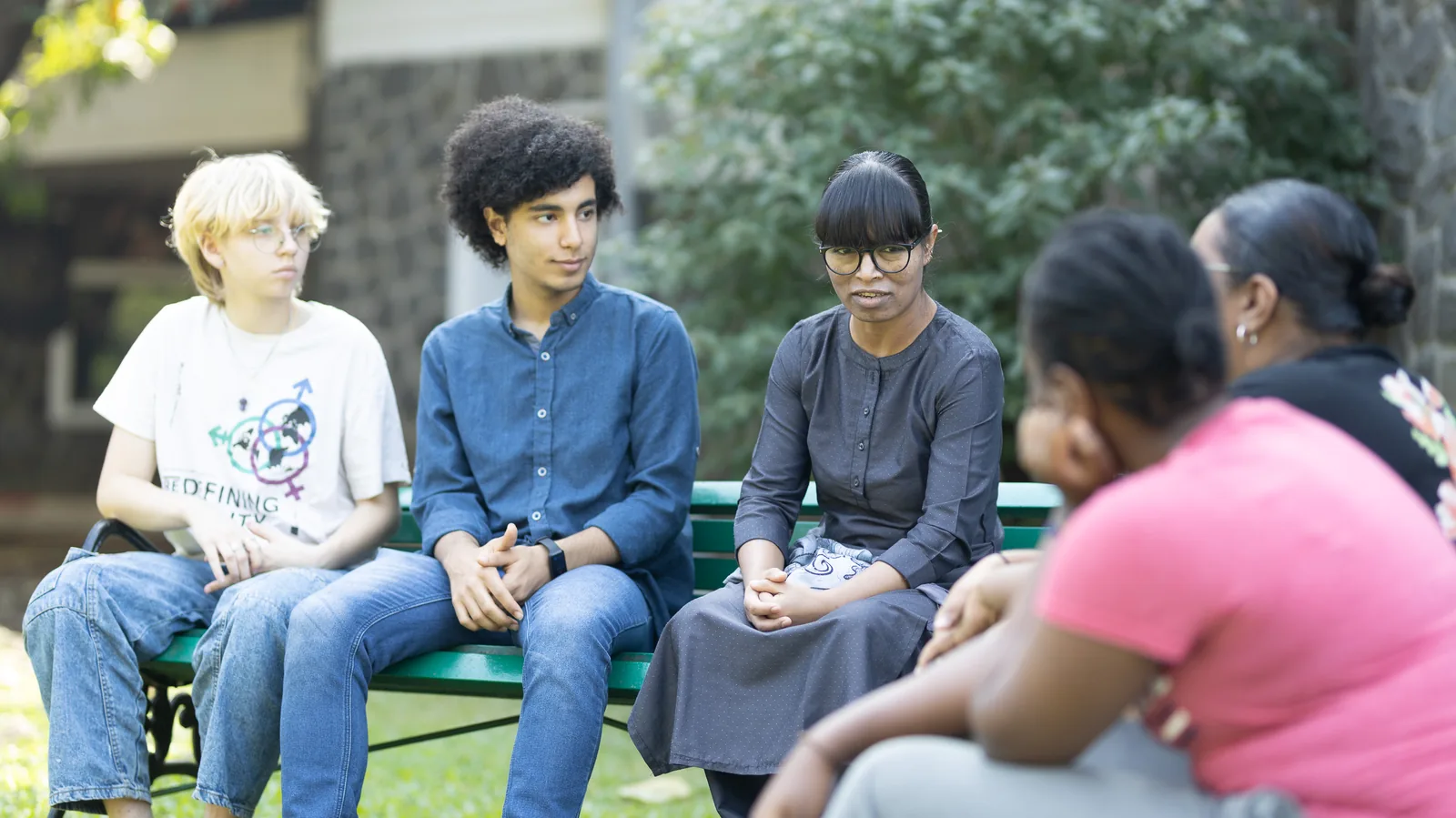
Throughout the academic year, all students take part in Social Emotional Learning (SEL) sessions. These cover skills such as building respectful relationships, managing stress, and developing self-awareness. SEL is not a standalone programme but is woven into the rhythm of campus life.

The wider support network
Psychological support at MUWCI sits within a broader network. Every student has a faculty advisor who knows them well and can raise concerns or make referrals. Wada parents maintain the day-to-day wellbeing of each residential cluster. The Head of Student Life coordinates across all of these channels.
Students are encouraged to take an active role in their own wellbeing. The college promotes daily physical activity, whether that is a swim, a run up the Ghat road, yoga, or a walk through the campus. Time for reflection, through journaling, meditation, or writing a blog, is equally encouraged.

ARDEI and inclusion
The ARDEI Committee (Anti-Racism, Diversity, Equity and Inclusion) works to ensure that every student feels valued and heard regardless of their background or identity. Its work is distinct from but connected to mental health support: students who feel seen and included are better placed to thrive.

Helping yourself
The college encourages students to reflect honestly on how they are doing. Regular self-evaluation, conversations with advisors, and reaching out early are all part of how MUWCI expects students to take care of themselves. The support structure works best when students use it.