
IB SCHOOL ADMISSIONS GUIDE
Fourteen tabs open, school brochures scattered across the table, and every website saying something different. One school talks about its campus, another shows off its results, and a third has pages of sports, clubs, and activities. You ask friends, check WhatsApp groups, and speak to other parents. Everyone has a recommendation. But how do you decide which school is right for your child?
Try searching for the top 10 IB schools in India, and you'll find plenty of lists. The problem? They don't agree on which schools deserve the top spots. That's because the International Baccalaureate (IB) doesn't rank schools. Most lists are based on a mix of fees, facilities, and personal opinions. There are more IB schools to choose from now, too. Business Standard reported in June 2026 that India had 280 IB schools, compared with 195 five years earlier. So, before you start comparing brochures, here's what you should actually look at.
1. Is the school really IB-authorised?
Some schools use terms like "IB-style" or "IB curriculum", but that doesn't always mean they're authorised to offer IB programmes. You can check this on the official IB website. Open the "Find an IB World School" directory, search for the school, and see which programmes it offers. Not every school is authorised to offer all four.
PYP (Primary Years Programme): 3–12 years.
MYP (Middle Years Programme): Ages 11–16
DP (Diploma Programme): 16–19 years.
CP (Career-related Programme): Ages 16–19
If the school is not listed in the official directory, please contact the school directly. If you're not sure, ask the admissions team what their IB status is before proceeding.
2. Is it right for the student's age and stage?
Some schools offer the IB from the early years through Class 12. Others start with the Diploma Programme in Classes 11 and 12. Both options can work well. It depends on what the student is used to and what they're looking for.
A student who has studied the IB for several years may already know how its classes work. Someone moving from CBSE, ICSE, or a state board may need time to adjust. There is more independent research, essay writing, and classroom discussion.
Ask the school how it helps students make this change. Do teachers offer extra support during the first few months? Is there someone students can approach when they find a subject difficult? These are worth asking before admission.
3. What do the Diploma results actually say?
The IB Diploma is scored out of 45 points. Students generally need at least 24 points, along with meeting the other IB requirements, to receive the Diploma.
In May 2026, India's average DP score was 32.78. A total of 6,265 students in India received DP and CP results. These figures give you an idea of the national picture, but don't judge a school by just one year's results.
If the school shares its scores, ask:
What was the school's average score over the last three to five years
What percentage of students got the Diploma?
What was the total number of students who sat the exams?
How many scored 35 or more?
Also, check the class size of the graduating class. It is important to consider the results of 12 students and the results of 120 students.
4. Will your child get the support they need from teachers?
A great campus and a long list of subjects, but students spend most of their school day with teachers. So, it's worth finding out who's teaching them.
Ask whether teachers have IB training and attend refresher courses. Find out how long the Diploma coordinator has been at the school and whether the teaching team changes frequently. Class size is also important, so always ask how many students are usually in a classroom and whether teachers have time to help them individually.
5. Will the student get the subjects they want?
Don't skip this while reading the prospectus. IB Diploma students generally choose six subjects, usually three at Higher Level (HL) and three at Standard Level (SL). Some take four HL subjects, with the remaining subjects at SL.
Every school has a different subject list. If a student is interested in Economics, Physics, Visual Arts, or a particular language, check whether the school offers it.
There's one more thing to ask: will the school run that subject if only a few students choose it? Ask to see the subject combinations offered to previous batches. A subject appearing in the brochure doesn't always mean it will be available when your child needs it.
6. Where do the graduates go?
Ask the school where its recent graduates are studying. Which universities did they get into in India and abroad? Does the school have a university counsellor? When do students start getting help with applications?
Don't settle for a general answer like "our students attend the best universities"; instead, ask for examples from recent graduating batches.
If your child is considering an Indian university, check whether it accepts the IB Diploma and what its admission requirements are. Also ask whether the school helps students with applications, essays, and scholarship forms.
7. What will it really cost?
The tuition fee you see online may not be the final amount. There can be several other expenses, so ask for the full fee breakdown before shortlisting a school.
Check:
Annual tuition and fee increases over the last three years.
IB registration and examination fees.
Boarding, meals and transport, if applicable.
Uniforms, books, devices and learning materials.
Educational trips and service projects.
Scholarships and financial aid, including who can apply.
Ask whether the fees will change during the two years of the Diploma Programme. Get the latest figures in writing. It makes comparing schools much easier.
8. What's it like to be a student there?
Marks and results won't tell you what a normal school day feels like. Ask students what their week looks like and how they manage classes, assignments, and activities.
The Extended Essay, Theory of Knowledge, internal assessments, and CAS (Creativity, Activity, Service) are all part of the IB Diploma. Find out how students manage these alongside their regular subjects.
Can they speak to a teacher when they're stuck? Is a counsellor available when they need one? What happens when several assignments are due around the same time?
Also, look at what happens outside the classroom. Are there sports, arts, clubs, and community service activities that students actually take part in? If possible, talk to a few students rather than relying only on what the school tells you.
9. Day school or boarding, and how far is too far?
The school may be an excellent choice, but if your child has to travel two hours to get there and back home again, it may not be the right fit. This time is reserved for sleeping, homework and family evenings, so check the commute first.
If you are thinking of boarding, raise a few simple questions about the school:
At night, who is responsible for the students?
How many times per day can children go home?
What do you do if a child gets unwell?
Who plans the meals, and how are they run?
How often do parents hear from the school?
Talking to parents of current students who already board there is also beneficial. They'll share with you what life is truly like; a brochure or campus tour won't!
10. Visit and talk to the students
Don't make the final decision based only on a website or brochure. Visit the school if you can, even if it is a virtual visit. Walk around the campus, sit in on a class if the school allows it, and speak to students. Ask them what they enjoy, what they find difficult, and what they would change about the school. Notice how they interact with teachers and each other. Do they seem comfortable asking questions? Are they involved in activities outside their classes?
One question worth asking the admissions team is: "Who might not enjoy studying here?" Their answer can tell you more than another list of facilities.
Four mistakes parents should avoid when choosing an IB school :
Going by rankings alone: A school at the top of a list may not be the right fit for your child.
Looking only at fees: Higher fees don't mean better teaching or student support.
Starting the search late: Check admission dates early. Some schools have fixed application windows and limited places.
Not checking subjects: Make sure the school offers the subjects your child wants before applying.
One residential IB school to explore
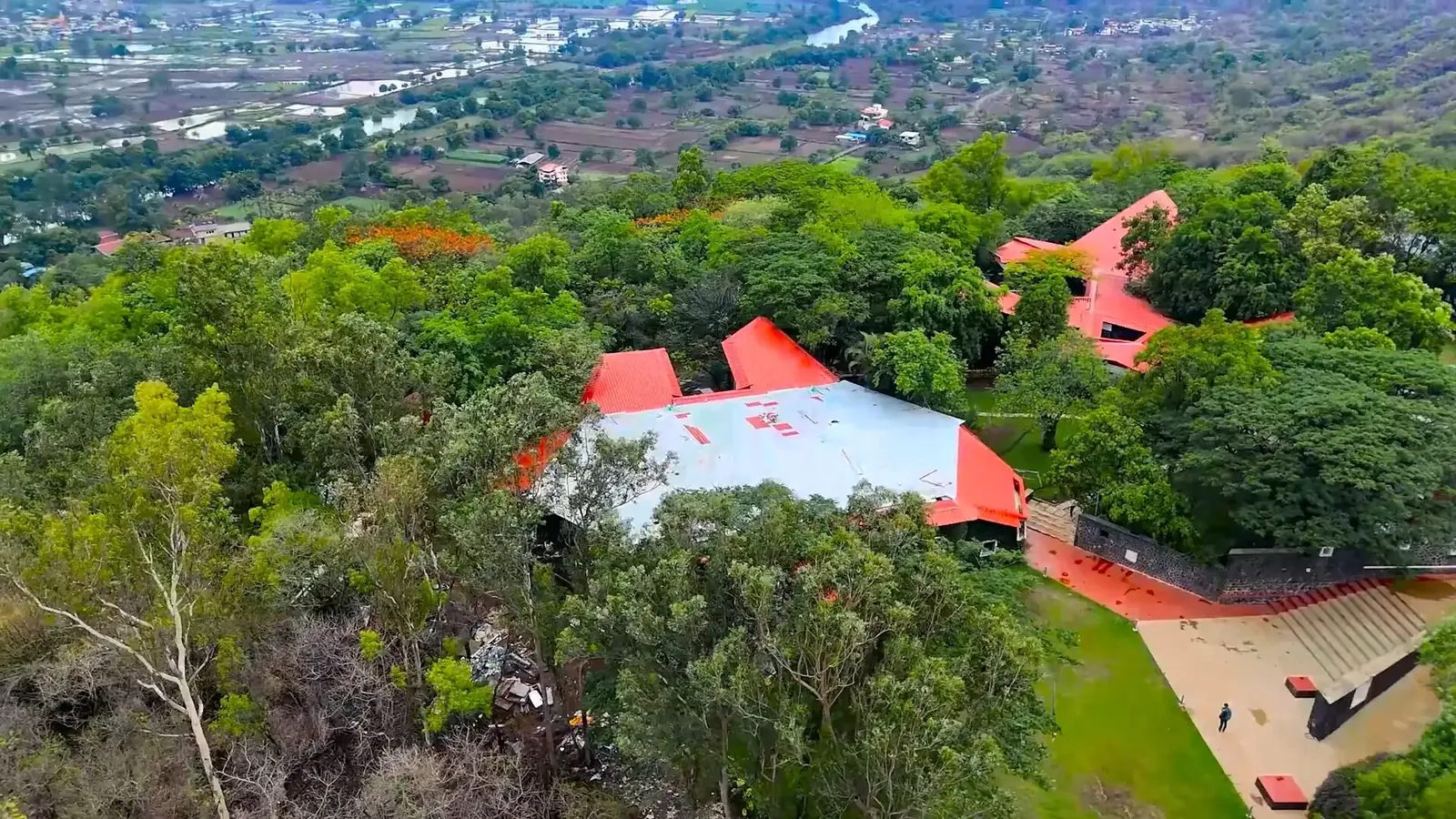
If boarding and an international student community are on your list, take a look at UWC Mahindra College (MUWCI), near Pune. Around 240 students from more than 70 countries live and study together on its campus while completing the two-year IB Diploma Programme. There are three routes to apply to UWC Mahindra: The National Committee System, the Global Selection Programme, and the International Application Pathway. Financial aid depends on the admission route, so check the eligibility requirements before choosing how to apply. Interested in UWC Mahindra? Explore the college and its admissions process.
Compare the school's IB authorisation, academic results, teacher experience, subject choices, fees, university guidance and student support. Visit the campus and speak to current students before making a decision.
Visit the official International Baccalaureate website and use its Find an IB World School directory. Check the school's name and the specific IB programmes it is authorised to offer.