
Our Houses
Residential life at UWC Mahindra College (MUWCI) is organised around wadas. A wada is more than a dormitory. It is a small community within the larger college, with its own rhythms, shared spaces, and culture. Students live in the same wada for both years on campus.
How wadas are structured
The campus has five wadas. Each wada contains approximately six student houses. A house has two rooms, two bathrooms, and a shared courtyard. Four students live in each house: two from the first year and two from the second. That mix is deliberate. Second-year students bring experience; first-year students bring a fresh perspective.
Each wada also has four to five faculty houses. Faculty residents serve as house parents, checking in on students and maintaining a presence in day-to-day Wada life. One faculty member in each wada takes on the role of wada parent, responsible for the safety and atmosphere of the whole wada. Students are assigned a faculty advisor who in most cases, lives in the same wada, making informal guidance genuinely accessible.
Shared spaces
Beyond individual houses, each wada has a central courtyard and a common room with a kitchen. Students use these spaces to cook, do homework, and gather informally. The common room is also where wada meetings take place.
Shared campus facilities include a Social Center (recreation room), swimming pool, gymnasium, and a coffee shop. The pagoda, which overlooks the hills surrounding the campus, is a favourite spot at the end of the day. The multi-purpose hall hosts college-wide meetings run by students, held twice a mon
Five wadas on a hill.
You’ll live in one of five residential communities — each with its own architecture, traditions, and tone. Choose one to step inside — and see where it sits on the hill.
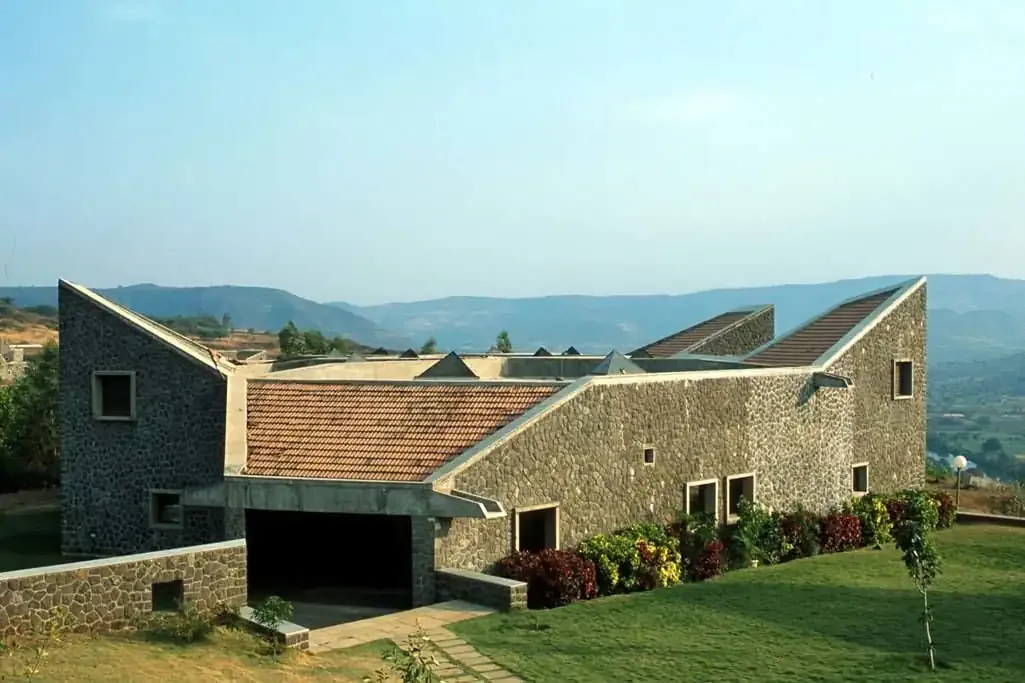
No day students. Everyone boards.
At UWC Mahindra, residential life is not a backdrop to education. It is central to it. Students live together in wadas — residential clusters that mix nationalities, backgrounds, and year groups — and that proximity is where a significant part of the learning happens.
Students from over 70 countries live, eat, and study together on a 175-acre campus in the Western Ghats. The community does not stop at the end of the school day.
A house within a wada within a hillside.
Each wada contains approximately six student houses and four to five faculty houses. A house holds four students — two from Year 1, two from Year 2. The mix is deliberate.
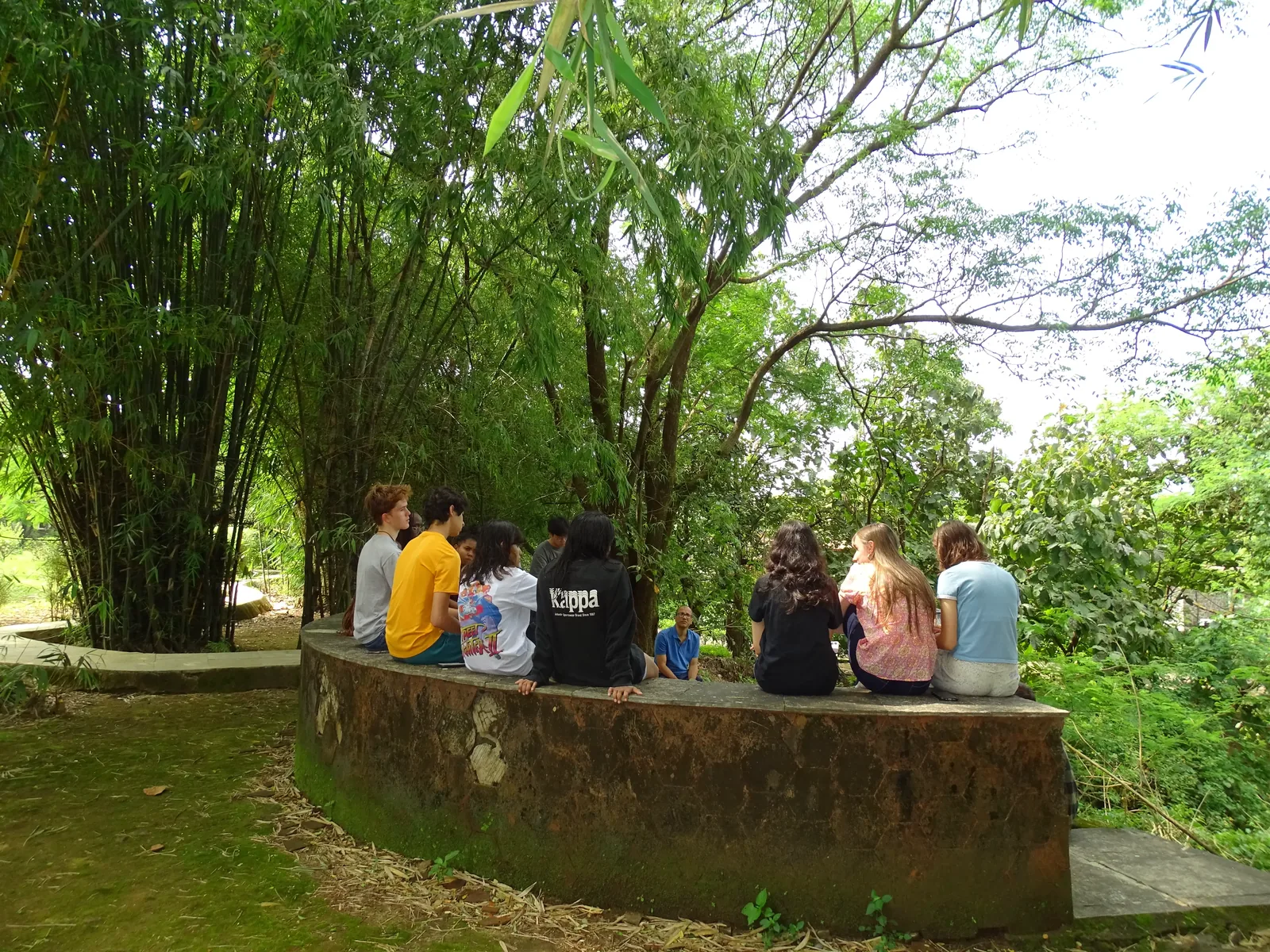
Every wada meets once a week.
Student-run, open in format. A space to discuss shared values, raise concerns, play games, or plan wada events — dinners, movie nights, cultural showcases. College Assembly Representatives often bring wider community discussions into wada meetings, so every student has a chance to speak.